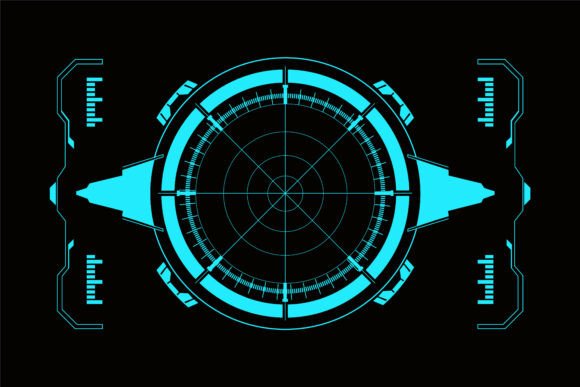
Futuristic Radar HUD Interface: A Vision of Tomorrow’s Digital Experience
Imagine walking into a high-tech control room, or stepping into a cockpit with a display that feels like it's from a sci-fi movie. That's the power of a Futuristic Radar HUD Interface. It's more than just a visual design—it's a tool that blends digital technology with intuitive interaction, making complex data easy to understand at a glance.
Whether you're a designer, developer, filmmaker, or entrepreneur, a Futuristic Radar HUD Interface can elevate your projects. It's not just about looking cool; it's about functionality, clarity, and user engagement. With features like circular design elements and fully editable vector files, this interface offers endless possibilities for customization and integration.
Where and When People Use Futuristic Radar HUD Interfaces
One of the most common places you'll see a Futuristic Radar HUD Interface is in science fiction media. But its applications go far beyond movies. In real-world scenarios, these interfaces are used in aviation, military operations, automotive tech, and even in virtual reality environments.
For example, pilots in advanced aircraft use HUDs to monitor flight data without looking away from the sky. Similarly, gamers and developers create immersive experiences using similar UI elements to make their games feel more realistic. In a business setting, project managers might use a radar-style interface to track progress, deadlines, and team performance all in one place.
Even in everyday life, you might encounter something similar. Smartwatches, augmented reality glasses, and vehicle dashboards all use simplified versions of radar HUDs to provide quick access to important information.
Who Benefits from a Futuristic Radar HUD Interface?
The beauty of a Futuristic Radar HUD Interface is that it can be adapted to suit different needs. For creators, it offers a way to visualize complex ideas in a visually striking format. For entrepreneurs, it can be a powerful branding tool that sets their product apart from the competition. For educators, it provides a dynamic way to teach subjects like engineering, design, or computer science.
Take a game designer, for instance. They might use a radar HUD to create a more engaging player experience, where players can quickly assess their surroundings or track objectives. A filmmaker could use it to design a futuristic scene, ensuring that the UI looks authentic and believable.
On the other hand, a small business owner might integrate a radar-style interface into their website or app to improve user navigation. It’s not just about aesthetics—it’s about creating a seamless, intuitive experience that keeps users coming back.
Realistic Use Cases Across Different Fields
Let’s break down some practical examples of how a Futuristic Radar HUD Interface can be applied in various settings:
- Education: Teachers can use radar HUDs to create interactive lessons on space exploration, physics, or digital design. Students can visualize data in real-time, making abstract concepts more tangible.
- Healthcare: Doctors and medical professionals might use a radar interface to monitor patient vitals during surgery or in emergency situations. Quick access to critical information can save lives.
- Entertainment: Video game developers and animators can use these interfaces to build immersive worlds. From space battles to cyberpunk cities, the right UI can make a big difference in the overall experience.
- Business: Entrepreneurs and marketers can use radar HUDs in presentations, dashboards, or mobile apps to showcase data in an eye-catching way. It helps convey complex information clearly and efficiently.
What to Consider Before Using a Futuristic Radar HUD Interface
Before diving into a Futuristic Radar HUD Interface, it's important to think about your specific needs. Are you looking for a design that's easy to modify? Do you need it to work across multiple platforms? Understanding your goals will help you choose the right tools and resources.
One key factor is the availability of source files. If you're working with a design that includes EPS files, you have the flexibility to edit and resize it as needed. This is especially useful if you plan to use the interface in different formats—whether for print, web, or digital media.
Another consideration is color customization. A 100-color palette gives you the freedom to match your brand or personal style. Whether you're going for a sleek, minimalist look or something bold and vibrant, the right colors can make a big difference in how your interface is perceived.
How to Get the Most Out of a Futuristic Radar HUD Interface
To truly benefit from a Futuristic Radar HUD Interface, you need to think beyond the design itself. How will it be used? Who is the target audience? What message do you want to convey?
For example, if you're designing a UI for a drone control system, the interface should prioritize clarity and speed. Users need to make quick decisions based on real-time data, so the layout must be intuitive and easy to navigate. On the other hand, if you're creating a UI for a creative project, the focus might be on aesthetics and storytelling.
Testing is also crucial. Even the best-designed interface won't be effective if it doesn't meet user expectations. Conducting usability tests or gathering feedback can help you refine the design and ensure it works as intended.
Why Choose a Futuristic Radar HUD Interface with Circular Design and Digital Elements?
The circular design of a Futuristic Radar HUD Interface isn't just for show. It mimics natural human perception, making it easier for users to interpret information quickly. The digital elements add a layer of realism and interactivity, which is essential in modern design.
When combined with features like full-editability and customizable colors, a circular radar interface becomes a versatile tool. It can be adapted for everything from a spaceship control panel to a smart home dashboard. Its clean, modern look also ensures it stays relevant as technology evolves.
Final Thoughts on Futuristic Radar HUD Interfaces
A Futuristic Radar HUD Interface is more than just a design trend—it's a functional tool that can enhance user experience across multiple domains. Whether you're building a game, designing a product, or creating content, this type of interface offers a unique way to present information clearly and effectively.
By focusing on real-world applications and user needs, you can unlock the full potential of a Futuristic Radar HUD Interface. With the right approach, it can become a valuable asset in your creative or professional toolkit.